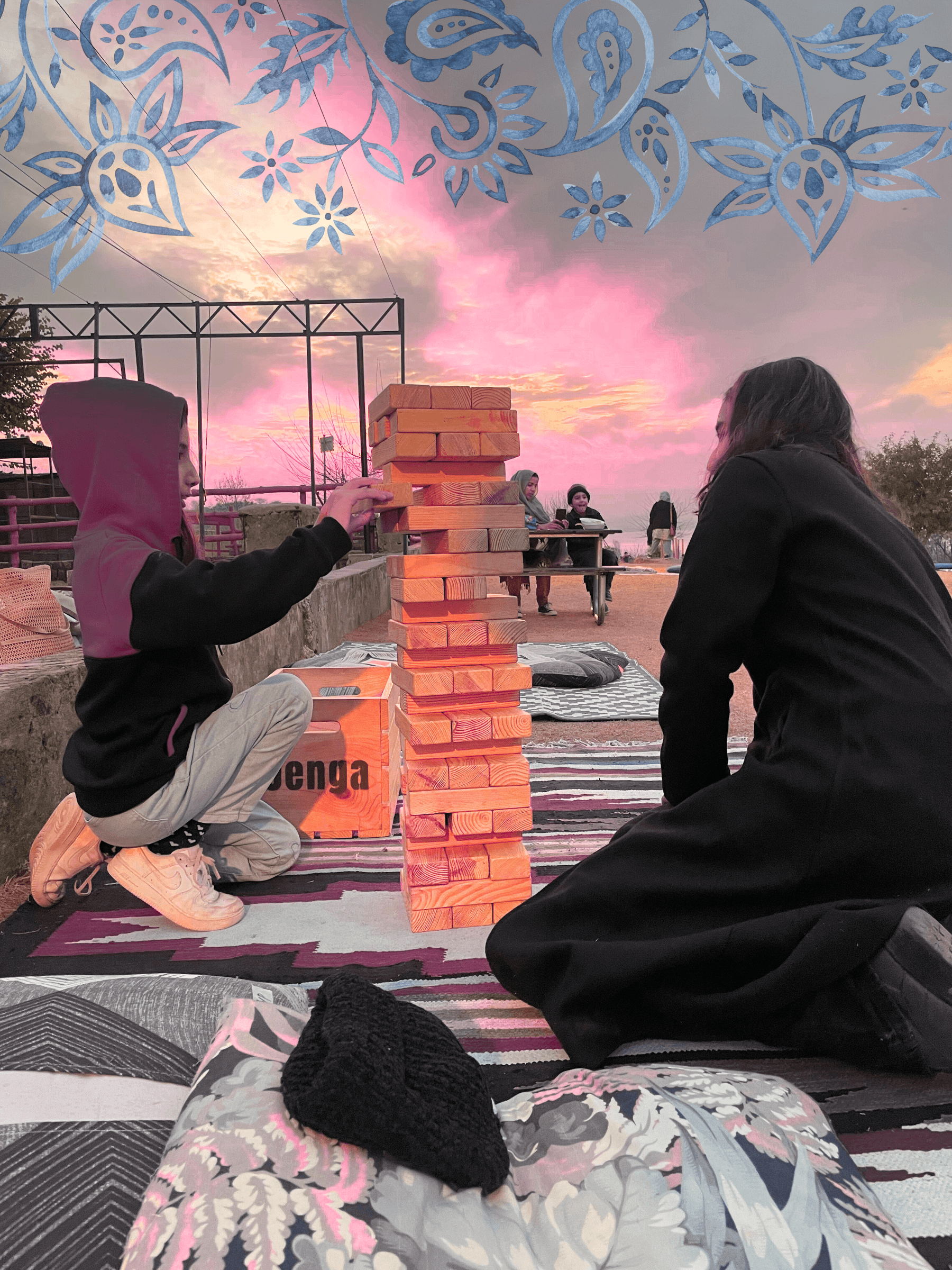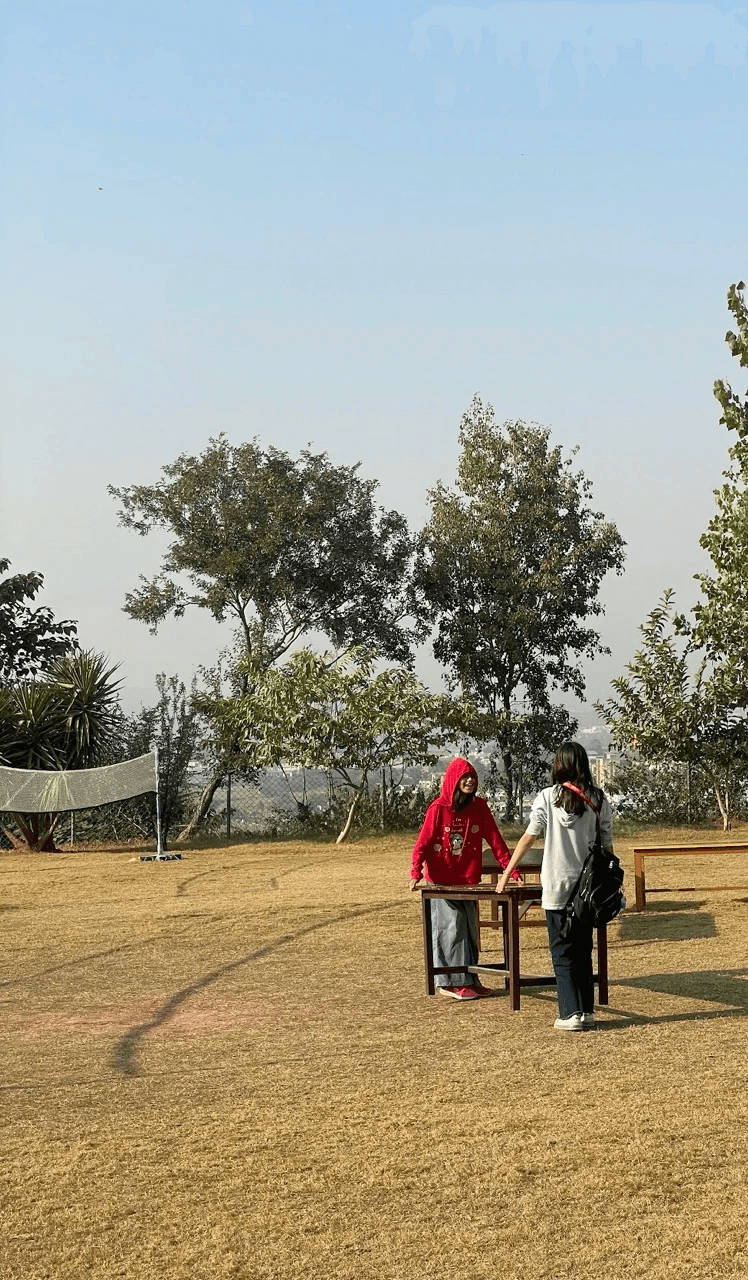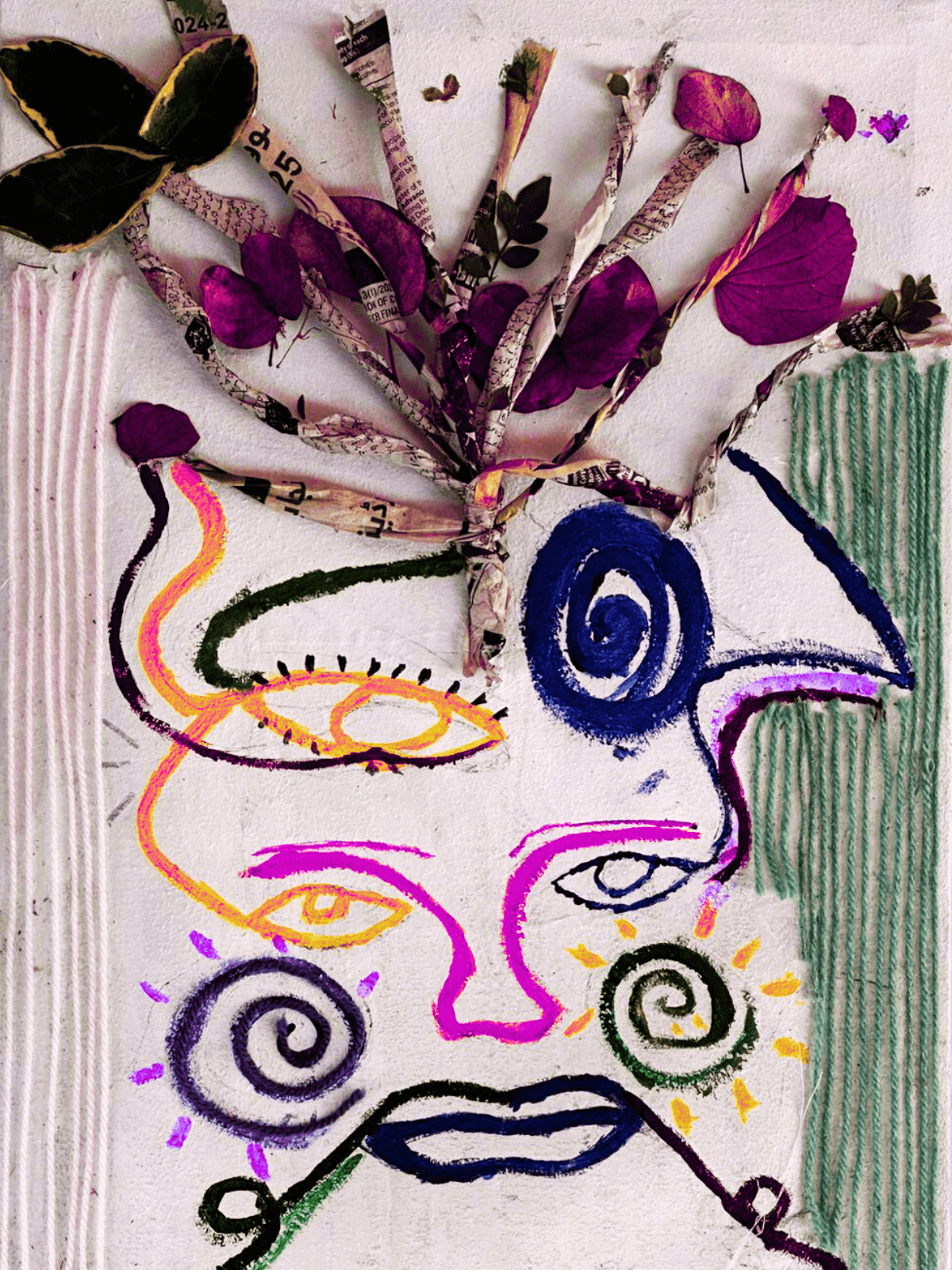
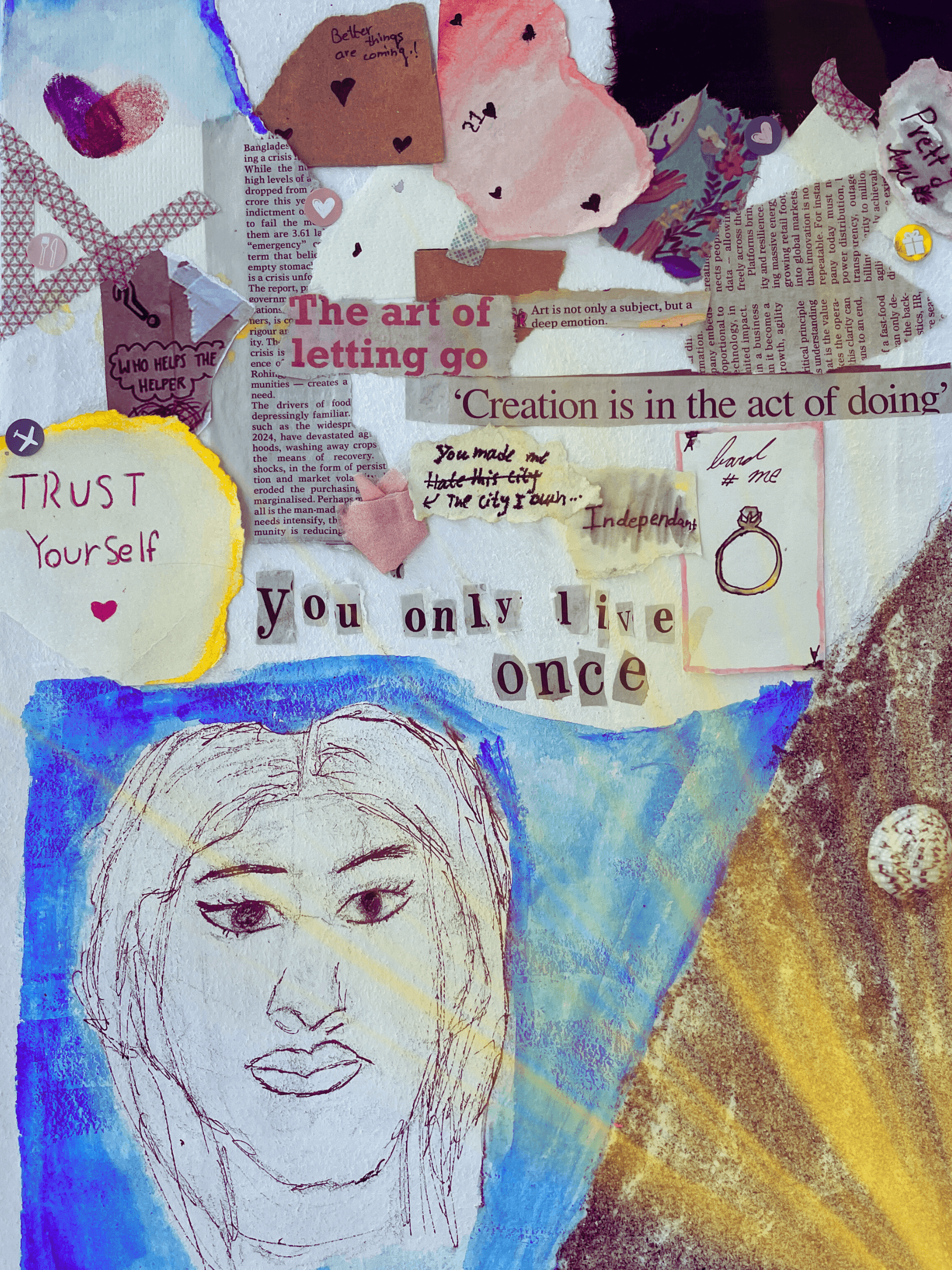
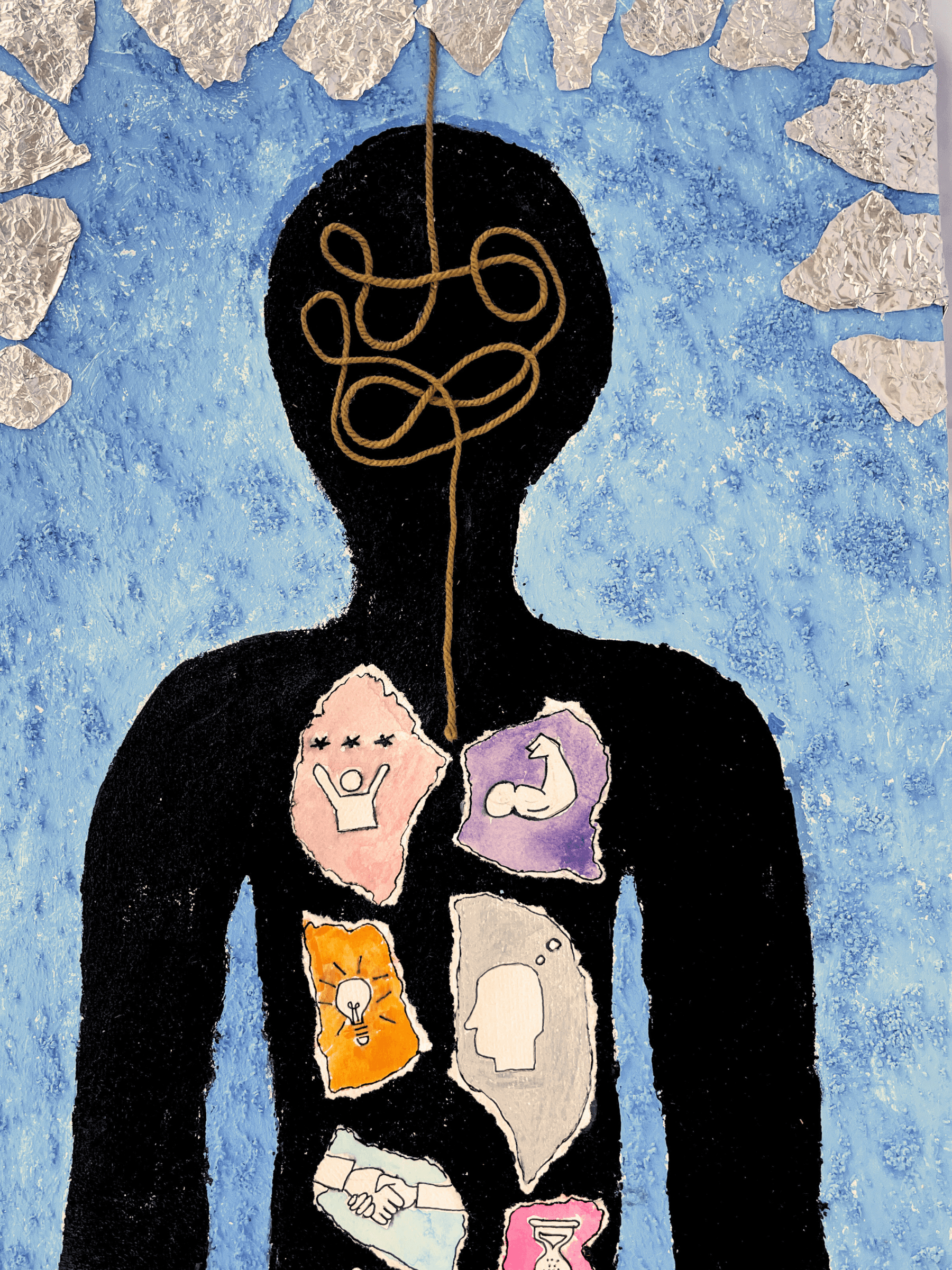
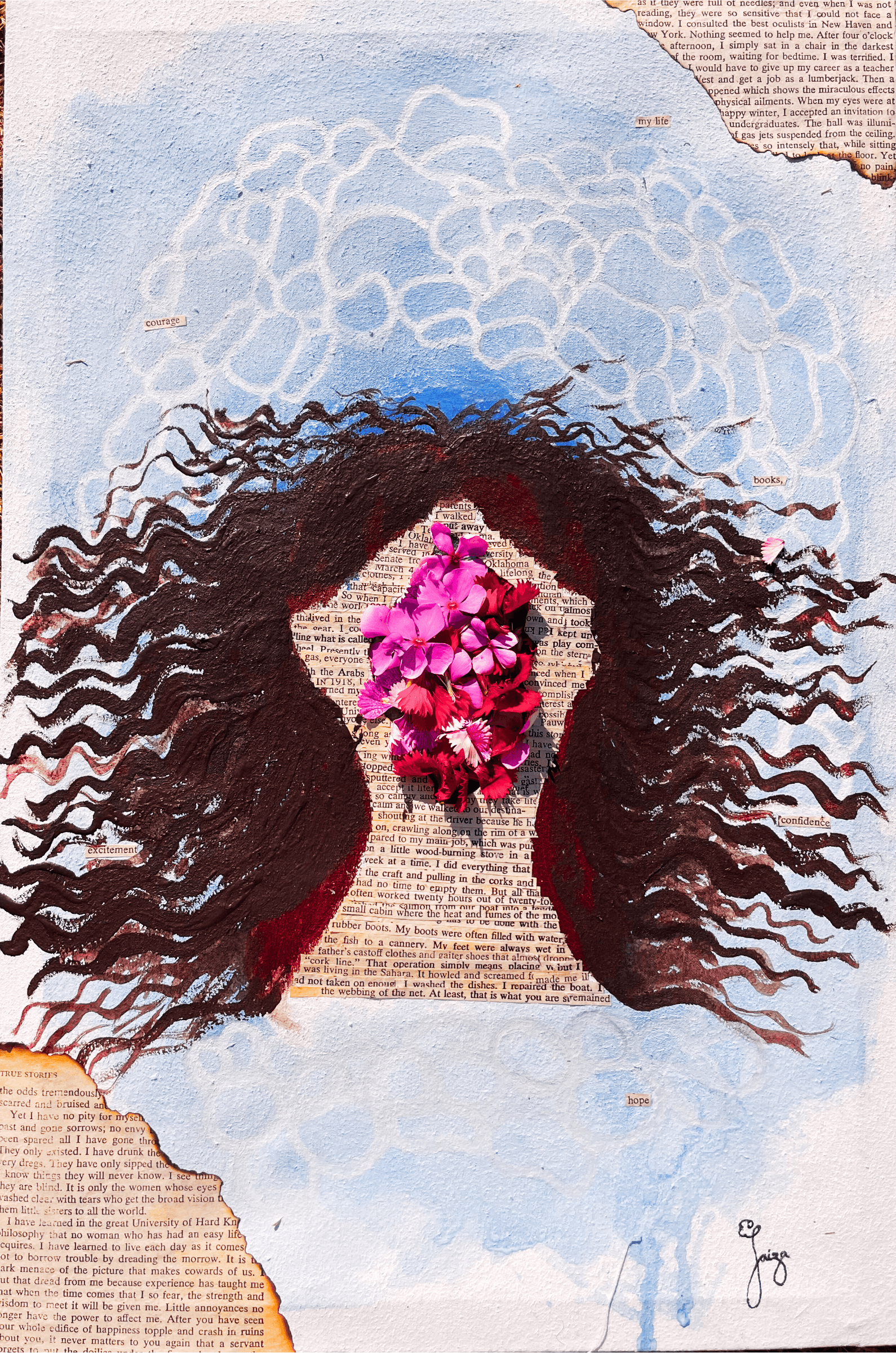
We are a democratic school
We question the way we were taught.
Who designed this system?
And why were children never asked what they need?
Here, children are told their voice matters.
Every day, they make choices about how they learn, how they take care of themselves and how they show up in relationships.
No two children move through the day in the same way.
Because no two children are the same.
And at the heart of it, we believe education is not only about personal achievement. It is about building the capacity to give back.
Our 4 Guiding Principles
The principles that shape how children live, participate, and grow at Edopia
Together
A child comes to school to learn to live well with themselves and with the people around them.
Responsibility
A school community grows stronger when children take responsibility for its life.
Effort
Children achieve what they set their hearts on through wonder and steady effort.
Discernment







What is Edopia and when was it established?
Edopia was established in 2014 in Islamabad. It is a democratic school, built locally over more than a decade. We are not an international franchise and do not follow any imported system. While we have drawn inspiration from places like Project Zero at Harvard and Reggio Emilia, the programme has been shaped in response to our own context.
Where are you located and what ages do you serve?
We have two campuses in Islamabad. Bani Gala runs Preschool through O Levels. I-8 runs Preschool through Grade 2. We serve children aged 3 to 16.
What curriculum do you follow and do you offer IB or O Levels?
We are not an IB school. Our early and middle years are designed in-house, grounded in local realities while meeting global academic standards. From Grades 9–11, students sit O Level examinations.
What are the learning pathways?
From Grade 4, families choose between two pathways. Grade-level learning is structured, teacher-directed, and Cambridge-aligned. Self-paced learning places children in multi-age groups where they move at their own pace with facilitation.
What are your timings, after-school options, and facilities?
Preschool runs from 8:00 am to 12:00 or 1:00 pm. Grade 1 and above run from 8:00 am to 2:00 or 2:30 pm. Optional after-school classes are offered at Bani Gala for Grade 1 and above from 2:30 to 3:45 pm and are charged separately. Meals and transport are available at an additional cost. Transport currently runs from G-6 and F-11. We do not offer after-school care.
What are your fees, policies, and classroom structure?
The admission fee is PKR 120,000. Annual charge is PKR 50,000 billed in August. Monthly tuition ranges from PKR 53,000 to 60,000 depending on grade. We do not have uniforms, only dress guidelines. The average teacher-to-child ratio is 1:8. Teachers are hired for who they are and how they think, not only for certifications, and are supported through continuous training and coaching.
If you are an alternative school, why do you conduct placement assessments?
We believe all children can reach age-level competence with the right support. However, for some students, this often requires focused, one-to-one attention. With our current student-teacher ratio of 1:8, we are not able to provide 1:1 intensive support for significant prior learning gaps. The placement assessment helps us understand a child’s current level and honestly determine whether we have the capacity to support their learning. This ensures clarity for families and helps us avoid committing to support that we may not be able to sustainably provide.
How will my child fit into the real world?
Children grow up within families, communities, and constraints. If they learn to think clearly, relate well, and take responsibility within this world, they are already learning to live in it. Here children learn how to work with others, navigate differences, speak with clarity, and stay rooted in who they are. This shapes how a child moves through any world they enter.
What is the admission criteria for preschool?
For EY1 and EY2, the child should be able to hold a back-and-forth conversation. For EY3, the child should have phonemic awareness of all sounds and be ready to blend sounds into words.